

If you have never planned a wedding before, the ceremony itself can feel like the most mysterious part of the whole day. The reception has an obvious flow: food, dancing, cake, but the ceremony is shorter, more formal, and easy to get wrong if you are not sure what actually happens, in what order, and how long it should take.
Here is the full order of events for a typical wedding ceremony, how long each piece usually runs, and where couples have the most room to personalize things, whether you are planning a religious ceremony, a non-religious one, or something in between.
TL: DR
- Prelude and guest seating
- Processional (wedding party, then the couple)
- Opening remarks or welcome
- Readings (optional)
- Vows
- Ring exchange
- Unity ceremony (optional)
- Pronouncement and first kiss
- Recessional
Typical length: Most wedding ceremonies run between 20 and 30 minutes for a standard structure, though a full religious ceremony with mass or additional rituals can run closer to 45 minutes to an hour.
1. Prelude and Guest Seating
Before anything officially begins, this is the window where guests arrive and are seated, usually 20 to 30 minutes before the ceremony’s official start time. Background music plays during this period, often a mix of instrumental or acoustic pieces, and it is also when family members are typically seated first, with grandparents and parents seated last, right before the processional begins.
2. The Processional
This is the part most people picture when they think of a wedding ceremony, and it is also where the order of events question comes up most often. A standard processional order looks like this:
- Officiant
- Groom (or one partner) and groomsmen, or the groom enters solo and groomsmen are already positioned
- Bridesmaids, walking individually or in pairs
- Maid or matron of honor
- Ring bearer
- Flower girl
- The bride (or the second partner), traditionally escorted by a parent or family member
This order is a strong default, but it is far from a strict rule. Plenty of couples walk down the aisle together, skip a formal wedding party entirely, or reorder things based on family dynamics. If you are looking for ways to make this specific moment feel more personal, our guide to creative wedding entrance ideas covers a range of options beyond the traditional walk.
3. Opening Remarks
Once everyone is in place, the officiant typically opens with a short welcome, thanking guests for attending and often sharing a bit about the couple’s story. This section usually runs just a few minutes and sets the tone for everything that follows.
4. Readings
Readings are optional, but a lot of couples include one or two, read by a close friend or family member. Common categories include:
- Religious readings, such as passages from scripture chosen to reflect the couple’s faith
- Literary readings, pulled from poetry or literature that holds personal meaning
- Personal readings, written by a friend or family member specifically for the couple
If you are including a reading, keep it under two or three minutes. A reading that runs long tends to lose the room’s attention, especially with guests standing or seated outdoors.
5. Vows
This is the emotional center of the ceremony. Couples generally choose between traditional vows, provided by the officiant and repeated back, or personal vows, written individually by each partner. Personal vows typically run one to two minutes per person. If you are writing your own, a good rule of thumb is to read them aloud ahead of time. If it takes longer than two minutes to read out loud, it is worth trimming.
6. Ring Exchange
Immediately following the vows, the couple exchanges rings, usually with a short accompanying phrase from the officiant about what the rings symbolize. This moment is brief, generally under a minute, but it is one of the most photographed parts of the entire ceremony.
7. Unity Ceremony Ideas
A unity ceremony is an optional ritual, usually placed right after the ring exchange, that symbolizes two families or two lives coming together. It is not required, but it is one of the most popular ways couples personalize their ceremony. Common options include:
- Sand ceremony, where each partner pours a different colored sand into one shared vessel
- Unity candle, where two individual candles are used to light one larger candle together
- Wine or whiskey blending, where two separate pours are combined into one glass or vessel, sometimes saved and reopened on an anniversary
- Tree planting, symbolizing growth, often meaningful for couples who want a lasting, physical keepsake from the day
- Handfasting, a ribbon or cord ceremony with Celtic roots, symbolizing the phrase “tying the knot”
If you are including extended family, a unity ceremony is also a nice way to involve parents or children from a previous relationship, since many of these rituals can include more than two participants.
8. Pronouncement and First Kiss
The officiant formally pronounces the couple married, followed by the first kiss as a married couple. This is typically the loudest, most celebratory moment of the ceremony, and most photographers position themselves for this shot well in advance.
9. The Recessional
The newly married couple exits first, generally to more upbeat music than the processional, followed by the wedding party in reverse order of how they entered. Immediate family is usually dismissed row by row afterward, guided by ushers or the day-of coordinator, so guests can transition smoothly toward cocktail hour or the reception space.
Religious vs. Non-Religious Ceremony Structure
A religious ceremony, particularly a full mass or traditional religious service, often adds structure beyond what is outlined above, including specific prayers, hymns, or sacraments, and can extend the total ceremony length closer to 45 minutes or an hour.
A non-religious or civil ceremony generally follows the same basic order of events (processional, opening remarks, vows, ring exchange, pronouncement, recessional), simply without denomination-specific elements. This structure tends to run closer to 20 minutes and gives couples more flexibility to swap in personal readings, secular unity rituals, or a more conversational officiant style. Neither format is more or less valid. It really comes down to what reflects the couple’s own beliefs and what they want the moment to feel like.
How Same-Room and Private-Room Ceremonies Work at Pelazzio
At Pelazzio Reception Venue, the order of events above works whether your ceremony and reception share one space or happen in two separate rooms.
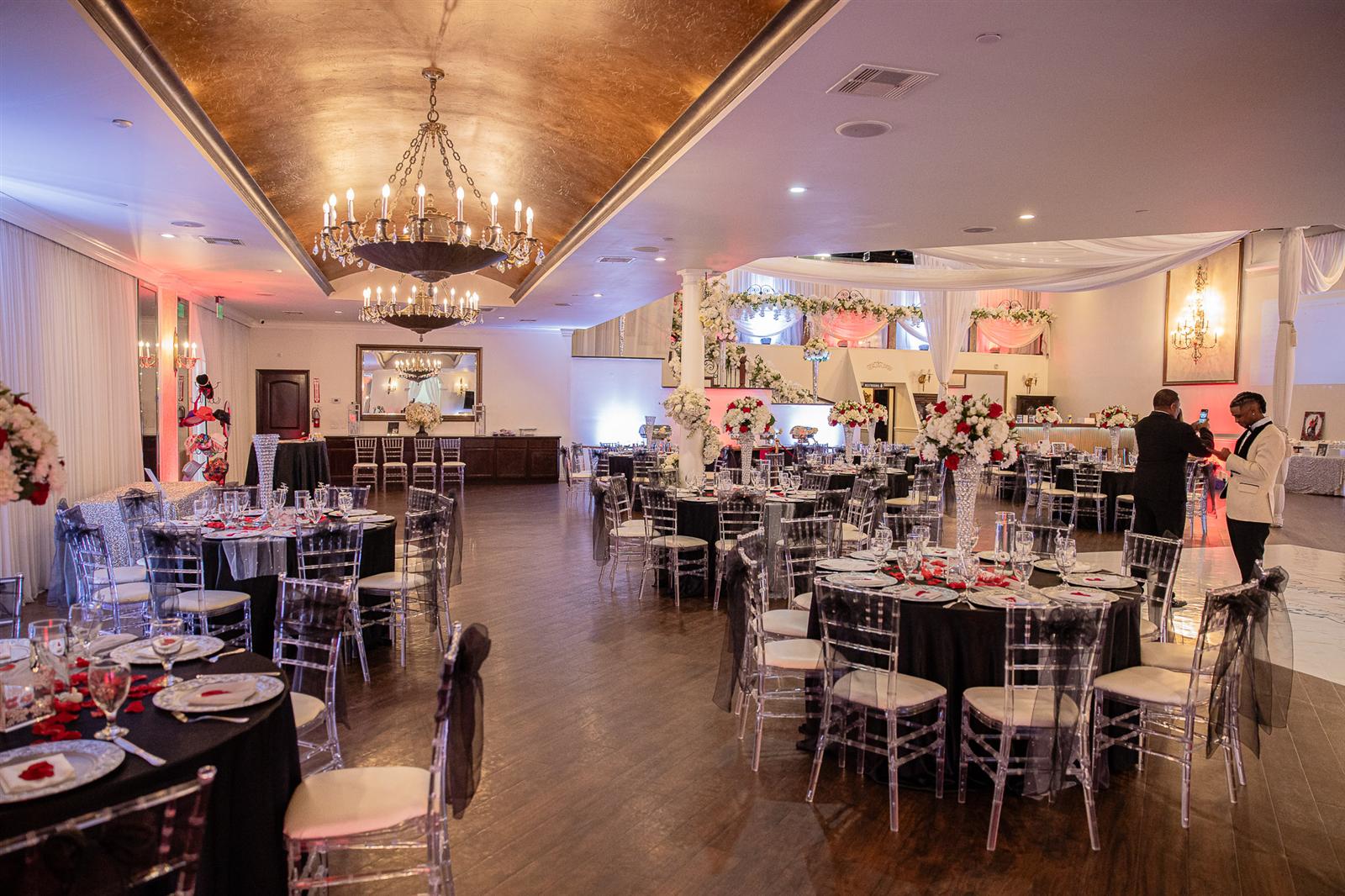
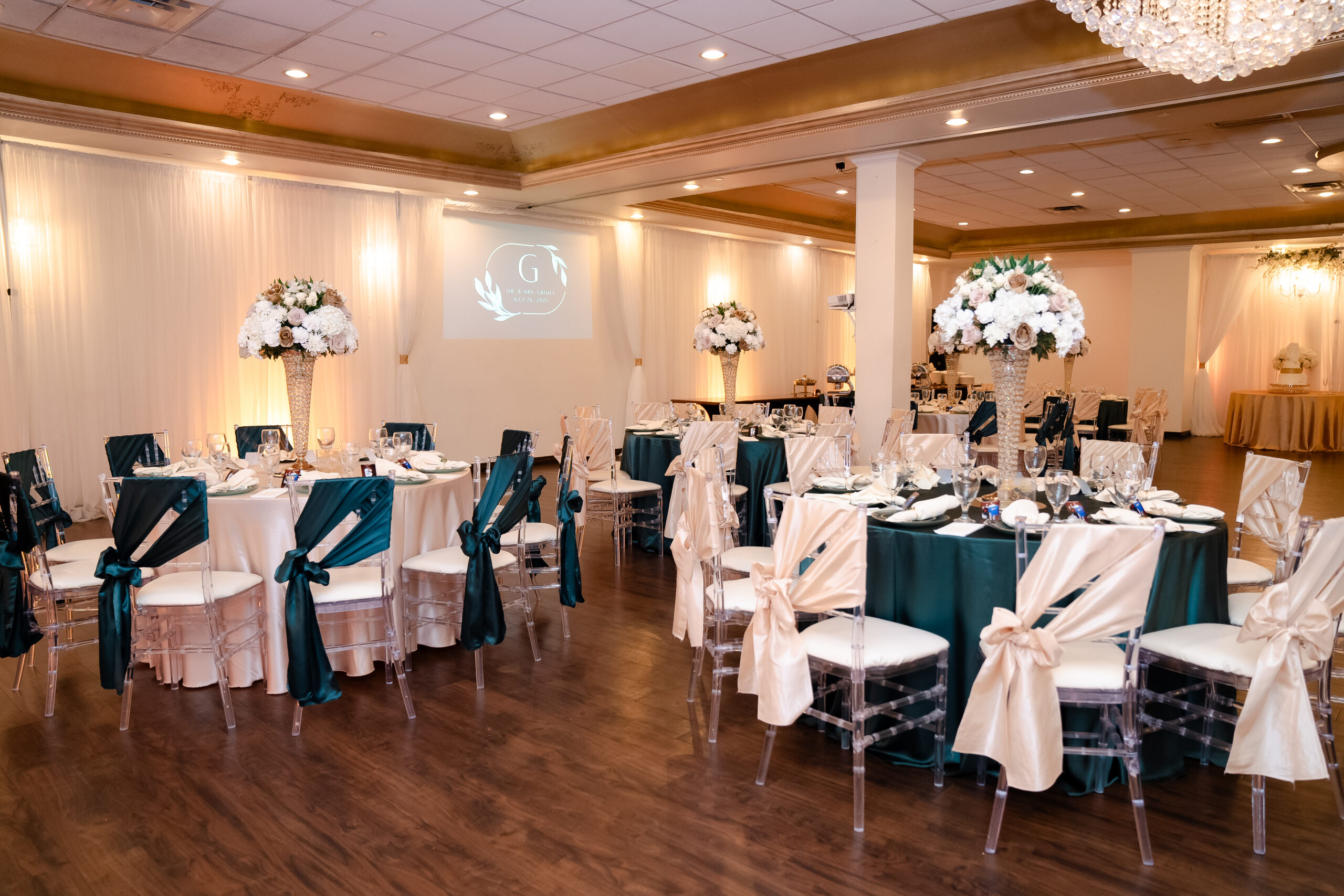
Same-room ceremony: your ceremony and reception take place in the same ballroom. The space is set with ceremony seating first, then flipped to reception setup, usually during cocktail hour, so guests return to a fully transformed room.
Private-room ceremony: your ceremony takes place in a separate, dedicated room from your reception, giving you a distinct backdrop and atmosphere for the ceremony itself before guests move into the reception space.
Both options support ceremony capacities from 75 up to 550 guests, and add-ons like stages, arches, and floral arrangements can be built into either setup. If you would rather not coordinate your own officiant, Pelazzio also offers professional officiant service as an add-on for $450. For the full breakdown of what is included, visit our wedding ceremony services page or explore our complete wedding packages.
FAQ: Wedding Ceremony Order of Events
What is the correct order of a wedding ceremony?
The typical order is prelude and seating, processional, opening remarks, readings, vows, ring exchange, an optional unity ceremony, pronouncement and first kiss, and recessional.
How long does a wedding ceremony usually last?
Most standard ceremonies run 20 to 30 minutes. A full religious ceremony with additional rituals or a mass can run closer to 45 minutes to an hour.
Who walks down the aisle first in the processional?
Traditionally, the officiant enters first, followed by the groom (or one partner) and groomsmen, then bridesmaids, the maid or matron of honor, the ring bearer, the flower girl, and finally the bride (or second partner) escorted by a parent or family member.
Do we have to include a unity ceremony?
No, a unity ceremony is entirely optional. Many couples include one as a symbolic moment, such as a sand ceremony or unity candle, but it is not a required part of the ceremony structure.
What is the difference between a religious and non-religious ceremony structure?
A religious ceremony typically includes denomination-specific elements like prayers, hymns, or sacraments, which can extend the ceremony’s length. A non-religious ceremony follows the same basic order of events without those elements, and generally runs shorter and is more flexible.
Does the ceremony have to happen in the same room as the reception?
No. At Pelazzio, couples can choose a same-room ceremony, where the space is transformed between the two, or a private-room ceremony in a separate, dedicated space.
Ready to plan your ceremony timeline? Our Certified Event Specialists can walk you through same-room versus private-room ceremony options and build a full day-of schedule around your vision.
Call Pelazzio Reception Venue today at (281) 531-0008, email hello@pelazzio.com, or click here to schedule your free venue tour.