



If someone objects at a wedding, the officiant pauses only if the objection points to a legal reason the marriage can’t happen, such as one partner already being married, being underage, or being forced. An emotional objection (“I still love her!”) has no legal standing, so the officiant simply continues. In real life, objections almost never happen, and you can remove the “speak now” line from your ceremony entirely.
It is the ultimate wedding nightmare.
The ceremony is perfect, the vows are about to be exchanged, and the officiant asks that infamous question: “If anyone here has just cause why this couple should not be joined in holy matrimony, speak now or forever hold your peace.”
In Hollywood rom-coms, the ex bursts through the doors. In reality? The room usually stays silent. But the fear of that moment is real for many couples.
As a Houston wedding venue that has hosted weddings since 1999, we at Pelazzio have seen nerves, laughter, and happy tears at the altar, but genuine objections are extremely rare. Still, knowing exactly what would happen if one did occur is the best way to calm your nerves.
Here’s the truth behind the tradition, the legal reality, and how a professional venue handles the unexpected.
TL;DR
- The meaning: “Speak now or forever hold your peace” invites anyone who knows a legal reason the couple can’t marry to say so now, or stay silent forever.
- The reality: It’s a centuries-old church tradition, not a legal requirement in Texas. You can ask your officiant to remove it.
- The law: A valid objection must be legal (for example, bigamy), not emotional (for example, “I still love her”). Emotional outbursts can’t stop a wedding.
- The disruption: If someone interrupts, a professional officiant regains control, often with a calm word or a light joke.
- The solution: At Pelazzio, security is required for events where alcohol is served. Officers are trained to discreetly remove disruptive guests so the celebration continues.
1. Where Does the Tradition Come From?
The phrase stems from the practice of “Reading the Banns” in medieval times. Before digital records and background checks existed, the church would announce a specialized upcoming marriage for three weeks in a row.
This gave the local community time to report if the bride or groom was:
-
Already married (Bigamy).
-
Underage.
-
Related by blood.
The “speak now” moment during the ceremony was the final safety net to prevent an illegal union. Today, we have marriage licenses and government databases, making the public question legal redundancy.
2. Legal vs. Emotional Objections: The Big Difference
If someone actually stands up, what happens next depends entirely on what they say.
The Legal Objection
-
The Claim: “He is still married to his wife in Las Vegas!” or “She is being forced into this.”
-
The Result: The officiant is obligated to pause the ceremony and speak privately with the couple. If the claim is valid, the wedding stops. If (as is usually the case) the claim is false, the ceremony resumes immediately.
The Emotional Objection
-
The Claim: “But I love him!” or “You’re making a mistake!”
-
The Result: This has zero legal standing. The officiant does not need to stop the wedding.
-
The Action: A professional officiant will usually speak louder to drown them out, use humor to defuse the tension (“I think we’ll take that as an enthusiastic ‘Yes’ from the back!”), or simply signal security.
3. The “Drunk Uncle” Scenario: Dealing with Hecklers
In our experience hosting Houston weddings, the most likely source of an interruption isn’t a jilted lover—it’s an intoxicated guest or a rowdy relative making a joke that lands poorly.
The 3-Step Protocol for Disruptions:
-
The Pause: The room usually falls silent out of shock.
-
The Pivot: The officiant regains control. “Folks, we are here to focus on [Couple’s Names].”
-
The Removal: If the person refuses to sit down or stop talking, they are escorted out by the Best Man or, preferably, professional security.
4. How to Stop It Before It Happens (Prevention)
If you are genuinely worried about a specific guest or just general anxiety, here is the secret:
Delete the Line. There is no law in Texas (or most states) that requires the officiant to ask the “Speak Now” question. It is purely ceremonial.
-
Action: Tell your officiant during the rehearsal, “Please skip the objections part.”
-
Result: Zero opportunity for anyone to speak. Problem solved.
5. How Pelazzio Ensures a Drama-Free Day
While we can’t control your guests’ personalities, we can control the environment. Choosing a professional venue over a backyard wedding provides layers of protection against drama.
Professional HPD Security at Pelazzio, security for any event where alcohol is served. We don’t just use “bouncers”; we typically employ off-duty HPD (Houston Police Department) officers.
-
Why it matters: They have the authority and training to handle disruptions discreetly and legally. If a guest becomes belligerent, they are removed swiftly without the groom having to get involved.
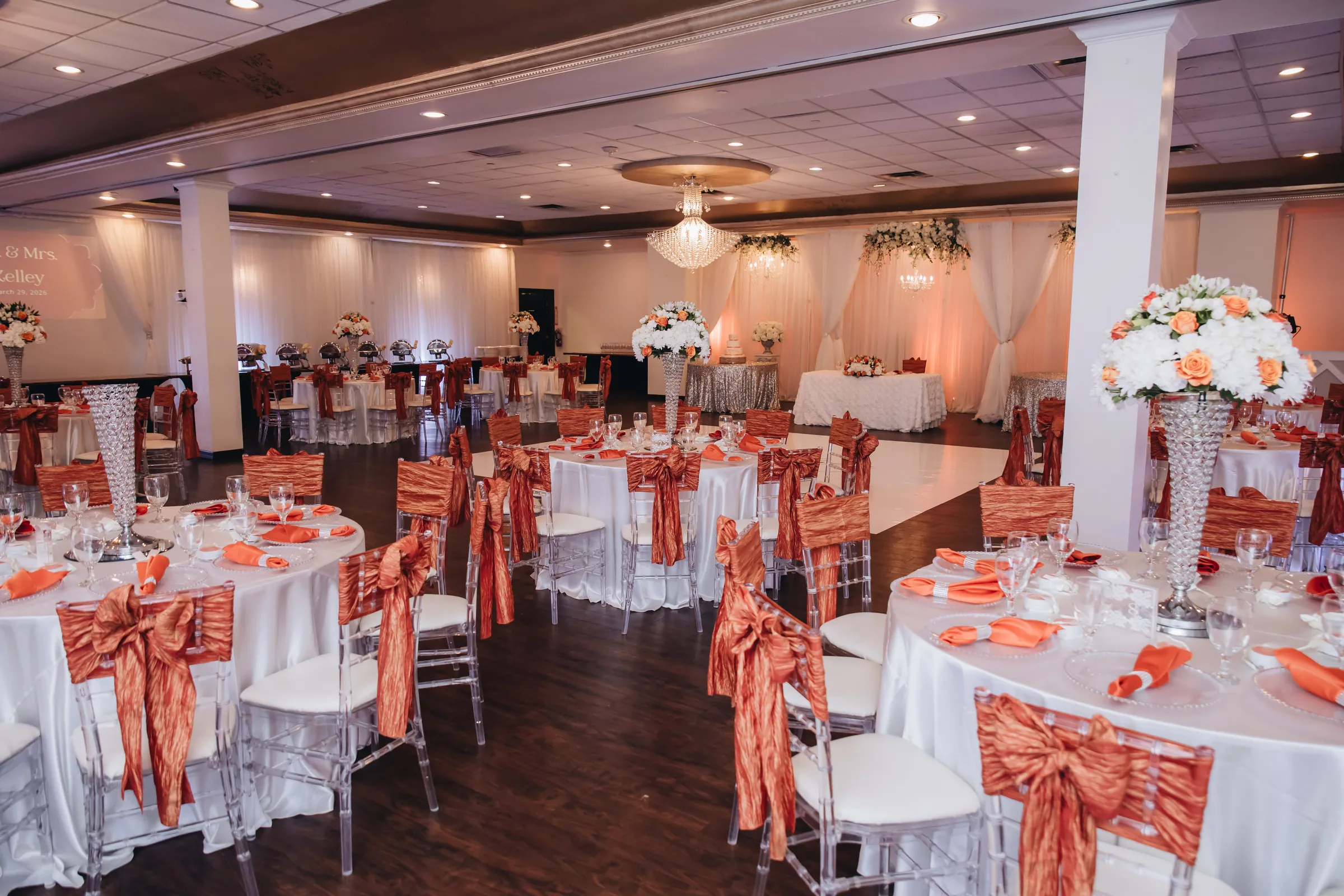
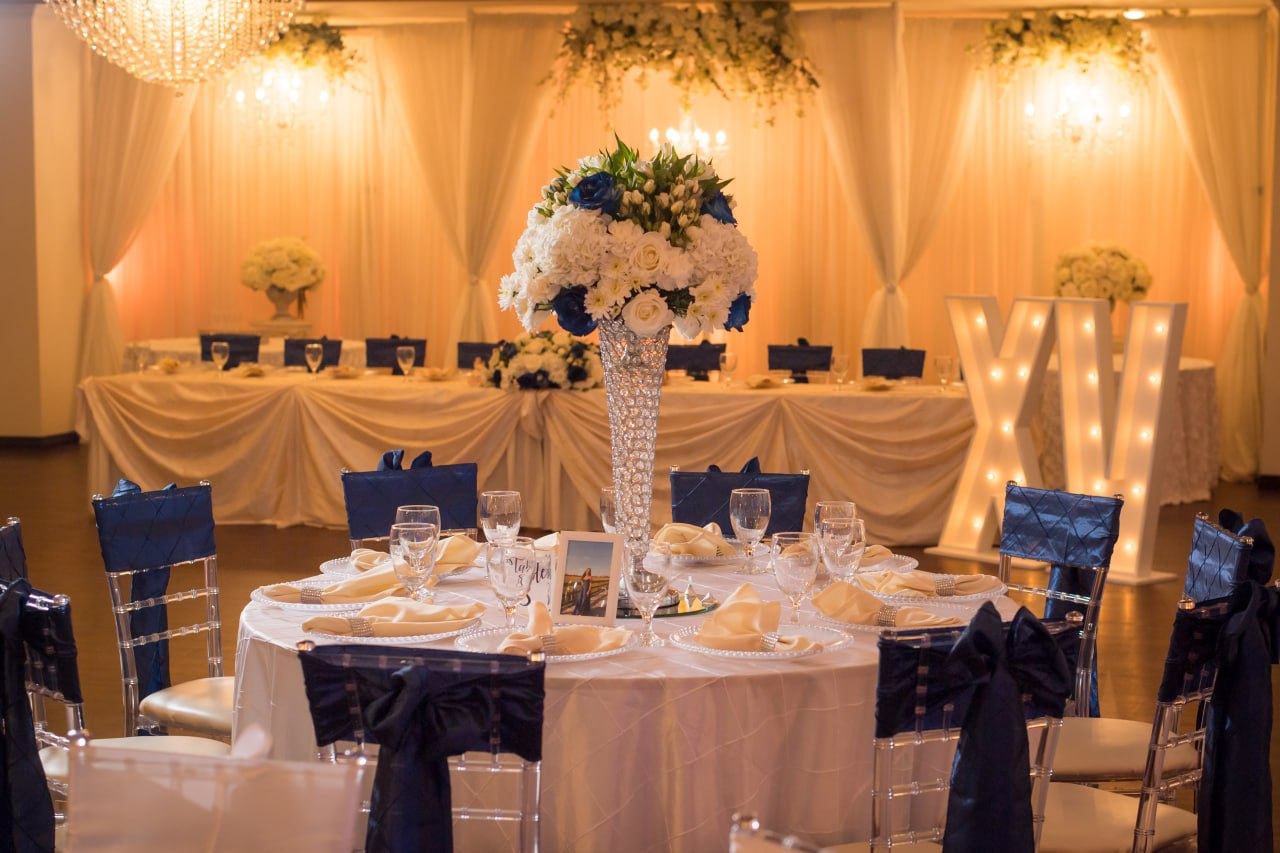
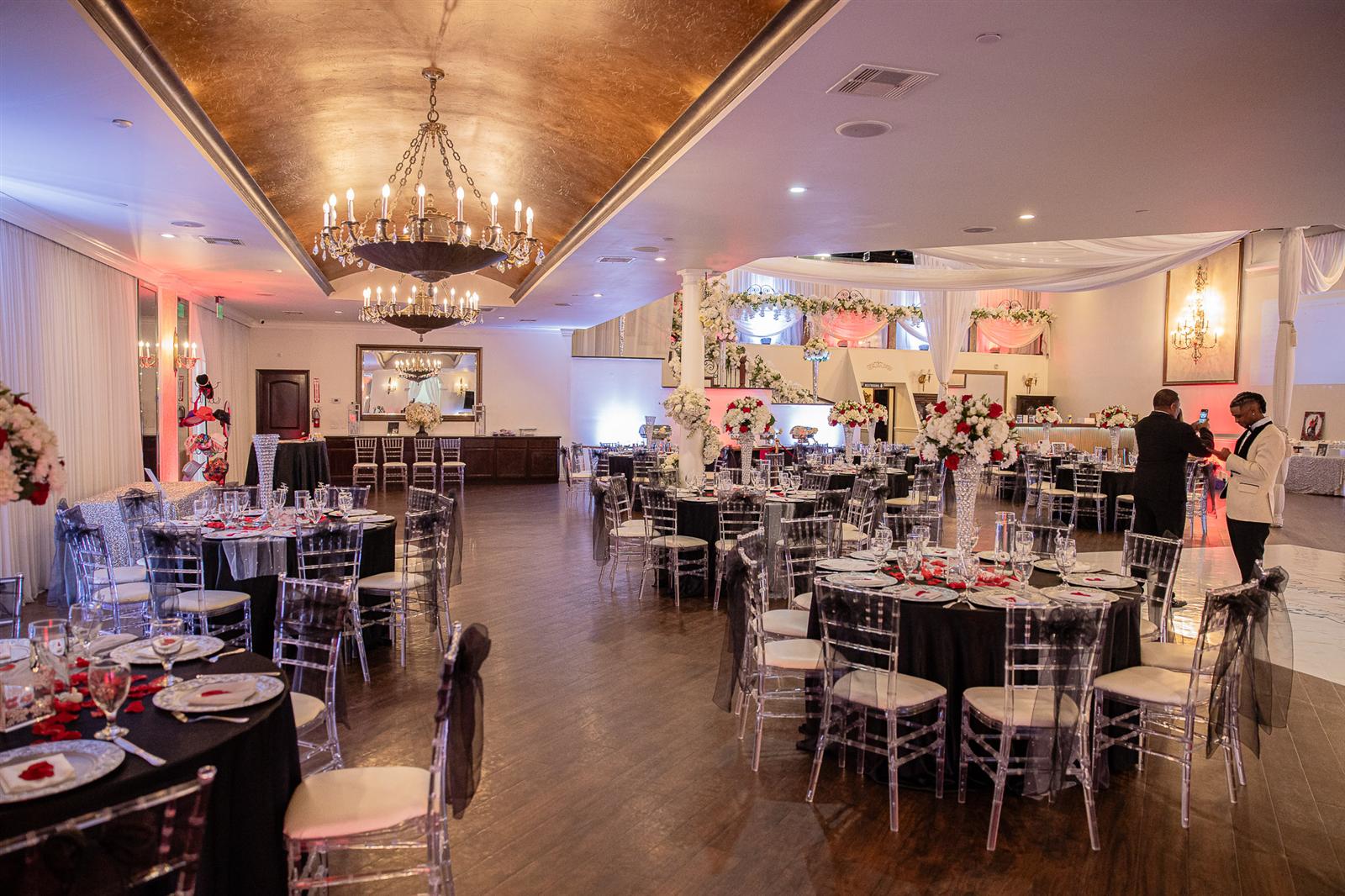
Controlled Access: Unlike a public park or unlocked church, our ballrooms are private. Whether you choose a Separate-Room Ceremony (a dedicated chapel space) or a Same-Room Ceremony, our staff monitors the doors. Uninvited exes simply don’t get in.
TABC-Certified Staff: Every event is staffed with an Event Captain and licensed bartenders. We keep eyes on the room so you don’t have to. If a guest appears overly intoxicated before the ceremony begins, our team can intervene early to prevent a scene.
6. FAQ: Common Ceremony Questions
What happens if someone objects at a wedding?
The officiant decides whether the objection is legal or emotional. If it raises a legal impediment, such as an existing marriage, the officiant pauses and speaks privately with the couple. If it’s emotional, the officiant continues the ceremony, and security may escort the person out.
Can someone actually stop a wedding by objecting?
Only if they reveal a real legal impediment that makes the marriage invalid. Simply objecting, or disapproving of the couple, can’t stop a wedding.
What does “speak now or forever hold your peace” mean?
It means anyone who knows a lawful reason the couple can’t marry should say so now. Otherwise they should stay silent (“hold their peace”) forever.
Where does “speak now or forever hold your peace” come from?
It comes from the medieval church custom of announcing marriages (the banns) so the community could report impediments. The familiar wording comes from the Anglican Book of Common Prayer.
Is “speak now or forever hold your peace” required in a wedding ceremony?
No. It isn’t required by Texas law or most religious traditions today. Many couples and officiants leave it out.
What are legal reasons to object to a wedding?
Valid legal reasons include one partner already being married, one partner being underage, the partners being too closely related, a lack of free consent, or no valid marriage license.
Has anyone ever actually objected at a wedding?
It happens, but it’s extremely rare. Most “objections” in real life are jokes or interruptions from an intoxicated guest, not legal claims.
Does the officiant have to stop if someone objects?
Only if the objection claims the marriage is illegal. If it’s just an emotional outburst, the officiant has full control to continue the ceremony.
What should the couple do if someone objects?
Stay calm and let the officiant and venue staff handle it. Hold hands, take a breath, and don’t engage with the person. The officiant will decide whether a private conversation is needed or whether to keep going.
What happens if the objection turns out to be true?
The officiant shouldn’t complete the ceremony. For example, if one partner is still legally married, the new marriage wouldn’t be valid in Texas. The couple would need to resolve the legal issue before marrying.
What if someone objects as a prank?
Even as a joke, it interrupts your vows and your ceremony video. Tell your funny friends ahead of time that the ceremony is a “No Prank Zone,” and save the roasts for the toasts.
Does security attend every wedding at Pelazzio?
Security is required for Pelazzio events where alcohol is served, which covers most wedding receptions. Your Event Specialist can explain the requirement for your package.
Plan your wedding with peace of mind. Contact Pelazzio today to learn about our secure, private, and stress-free wedding packages.